


Introduction:
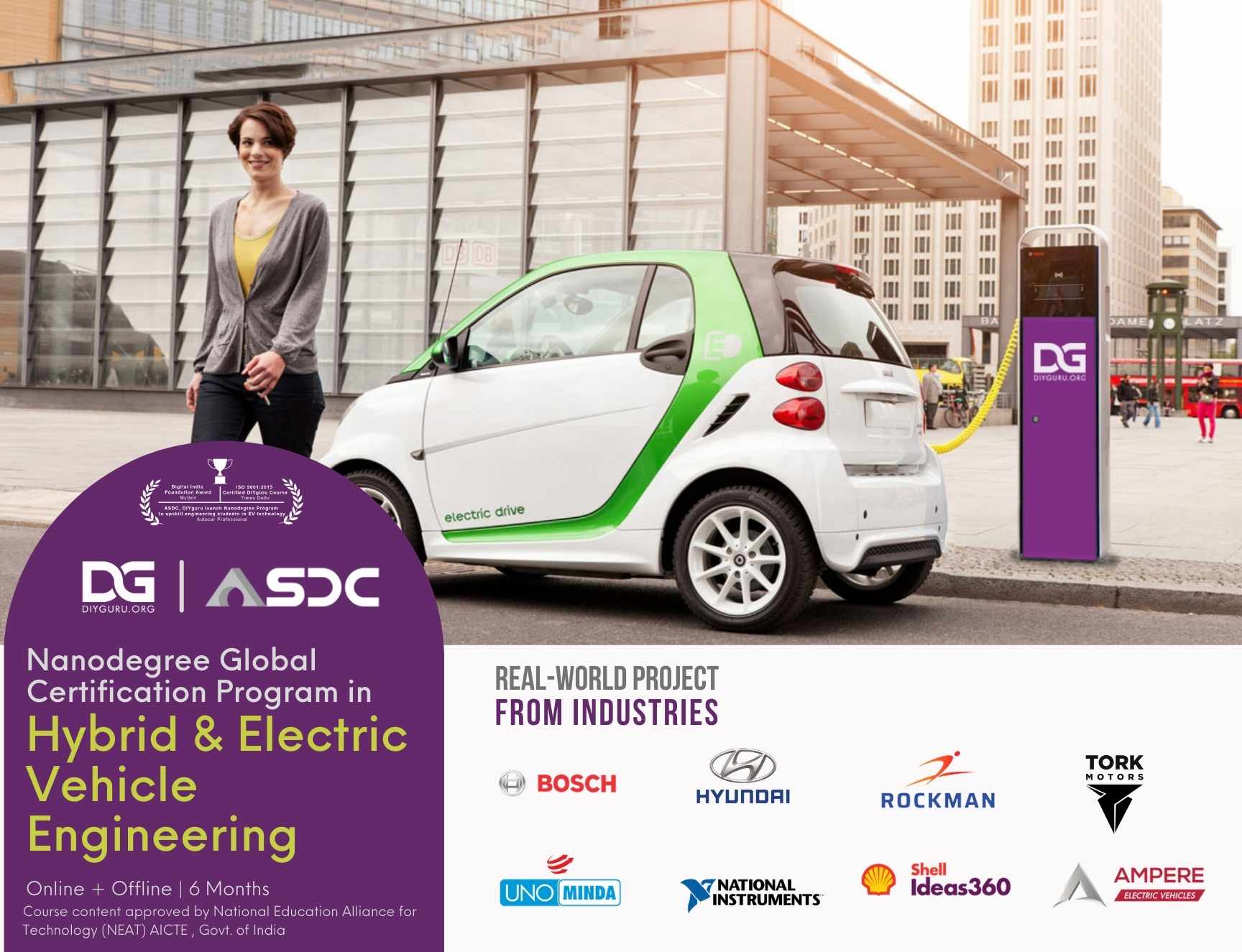
Electric vehicles (EVs) are the future of transportation, and as the demand for these vehicles continues to grow, there is a significant need for skilled professionals in the EV industry. To meet this demand, many training programs have been developed to provide individuals with the knowledge and skills required to work in the EV industry. In this blog post, we will explore the syllabus for electric vehicle training in India. We will look at the various topics covered in the training programs and what sets them apart from the rest.
Why Electric Vehicle Training is Important?
Integrating Electric Vehicle Training into Engineering Curriculum: A Specialized Approach for Mechanical, Electrical, and Electronics Engineering
Introduction: The Need for Electric Vehicle Integration in Engineering Curriculum
The global transition towards electric vehicles (EVs) is not only reshaping the transportation sector but is also creating immense opportunities for skilled professionals. As the demand for electric vehicles grows, so does the need for skilled engineers capable of designing, manufacturing, and maintaining these vehicles. In India, this transformation has been catalyzed by the government’s push for clean mobility and the increasing investment in electric infrastructure.
Engineering colleges, institutions, and universities affiliated with AICTE (All India Council for Technical Education) and UGC (University Grants Commission) play a crucial role in shaping the future workforce in the electric vehicle industry. To meet the evolving demands of the EV sector, it is essential for engineering curriculums to include specialized courses and training in electric vehicles (EVs).
In this article, we will explore how engineering colleges and institutions can integrate a specialized EV curriculum into their Mechanical Engineering (ME), Electrical Engineering (EE), and Electronics Engineering (ECE) degree programs, focusing on Electric Vehicle (EV) technologies. We will structure this syllabus into an 8-semester model, tailored to each engineering discipline, highlighting the key learning outcomes in the EV space.
Why EV Training Should be a Core Part of Engineering Curriculum
With the global shift towards electric vehicles, engineering professionals must possess the necessary skills to design, build, maintain, and innovate in the electric vehicle space. As the EV industry continues to grow, the demand for engineers with specialized knowledge in electric motors, battery technologies, electric powertrains, charging infrastructure, and smart grid systems will surge.
It is essential that universities and engineering institutions affiliated with AICTE and UGC offer specialized EV training as part of their core curriculum. By doing so, they ensure that graduates are prepared to meet the technological demands of the electric vehicle revolution and remain competitive in the evolving job market.
Curriculum Breakdown for Mechanical Engineering (Specialization in Electric Vehicles)
Mechanical Engineering is traditionally centered around mechanics, thermodynamics, and fluid mechanics. However, with the rise of electric vehicles, it is imperative that mechanical engineers gain specialized knowledge in the design and production of electric powertrains, electric motors, and battery systems. Below is a suggested 8-semester syllabus for Mechanical Engineering with Specialization in Electric Vehicles:
Semester 1: Fundamentals of Mechanical Engineering
- Engineering Mechanics
- Physics for Engineers
- Mathematics I
- Electrical Engineering Basics
- Introduction to Manufacturing Processes
- Material Science and Engineering
Semester 2: Core Mechanical Engineering and Basics of EVs
- Thermodynamics
- Fluid Mechanics
- Materials for Electric Vehicles
- Mathematics II
- Fundamentals of Electrical Circuits
- Introduction to Electric Vehicle Concepts (EV Technology Overview)
Semester 3: EV Design Fundamentals
- Kinematics and Dynamics of Machines
- Engineering Materials and Manufacturing Techniques for EVs
- Electric Motors and Drives for EVs
- Mathematics III (Linear Algebra)
- Electrical Machines for EVs
- Battery Systems and Storage Solutions in EVs
Semester 4: Advanced Electric Vehicle Systems
- Powertrain Design for Electric Vehicles
- Electric Vehicle Chassis and Body Design
- Power Electronics for Electric Vehicles
- Numerical Methods and Optimization Techniques for EVs
- Control Systems in EVs
- Introduction to Electric Vehicle Charging Infrastructure
Semester 5: Advanced Topics in EV Technology
- Thermal Management in Electric Vehicles
- Mechanical Vibrations and Noise Control in EVs
- Advanced Battery Management Systems (BMS)
- Electric Vehicle Safety Standards and Regulations
- Manufacturing of Electric Vehicle Components
- Simulation and Modeling of EV Systems
Semester 6: Practical Applications of Electric Vehicle Engineering
- Advanced Vehicle Dynamics and Handling in EVs
- Electric Vehicle Performance Testing and Diagnostics
- Electric Powertrain System Design (Motors, Inverters, and Controllers)
- Integration of Electrical Systems in EVs
- Industrial Training / Internship in EV Manufacturing / R&D Labs
- EV Maintenance and Service Systems
Semester 7: Electric Vehicle Innovation and Sustainable Mobility
- Future of EVs: Autonomous Vehicles and Smart EVs
- Renewable Energy Integration in Electric Vehicles
- Vehicle-to-Grid (V2G) Technology
- Sustainability in EV Design
- Project Work I: Design and Development of a Small EV Prototype
- Entrepreneurial Skills for EV Startups
Semester 8: Advanced EV Systems and Industry Collaboration
- Advanced EV Power Electronics (Inverters, Converters, and Charging Systems)
- Electric Vehicle Manufacturing Technologies
- Advanced EV Battery Management Systems (BMS)
- Policy and Economics of Electric Mobility
- Project Work II: EV Integration and Performance Enhancement
- Capstone Internship / Industry Collaboration in EV R&D or Manufacturing
Curriculum Breakdown for Electrical Engineering (Specialization in Electric Vehicles)
Electrical Engineering (EE) is already a core discipline in the EV industry due to its focus on electric circuits, control systems, and power systems. Below is a tailored 8-semester syllabus for Electrical Engineering with Specialization in Electric Vehicles:
Semester 1: Introduction to Electrical Engineering and Basics of EVs
- Basic Electrical Engineering
- Circuit Theory and Analysis
- Physics for Engineers
- Engineering Mathematics I
- Introduction to Electric Vehicle Technologies (Overview of EV Components)
- Environmental Science and Sustainability
Semester 2: Core Electrical Engineering for EVs
- Electrical Machines I (Motors and Generators)
- Network Theory and Signal Processing
- Mathematics II (Calculus and Linear Algebra)
- Electromagnetic Fields and Waves
- Fundamentals of Power Electronics
- Introduction to Battery Technologies in EVs
Semester 3: Power Electronics and Motor Drives for EVs
- Power Electronics and its Applications
- Control Systems for Electric Motors
- DC and AC Motors for Electric Vehicles
- Mathematics III (Differential Equations)
- Electrical Energy Storage Systems
- Electrical Components in EVs (Battery Management Systems, Charging)
Semester 4: Electric Vehicle Systems Design
- Power Systems in Electric Vehicles
- Advanced Electric Motors and Drives for EVs
- Electric Vehicle Architecture and Control
- Electric Vehicle Charging Standards and Infrastructure
- Advanced Battery Technology for EVs
- Sensors and Instrumentation for EVs
Semester 5: Advanced EV Powertrain and Battery Systems
- Advanced Power Electronics for Electric Vehicles
- Battery Management Systems (BMS) and Charging Algorithms
- Electric Powertrain Integration and Control Systems
- Energy Storage and Management in EVs
- EV Safety Standards and Regulations
- Project Work I: Design and Testing of Electric Vehicle Systems
Semester 6: EV Design, Safety, and Standards
- Electric Vehicle Safety Systems
- Design and Testing of EV Powertrain Components
- Vehicle-to-Grid (V2G) Technologies
- Integration of Renewable Energy Sources in Electric Vehicles
- Industrial Training / Internship at EV Companies
- Maintenance and Service of Electric Vehicle Systems
Semester 7: EV Innovation and Future Technologies
- Autonomous Vehicles and EV Integration
- Advanced Electric Vehicle Battery Technologies (Solid-State Batteries)
- Smart Grid and Electric Vehicle Charging
- Innovations in Electric Vehicle Components and Design
- Entrepreneurial Ventures in Electric Mobility
- Project Work II: Develop EV Charging Stations or Smart Charging Solutions
Semester 8: EV Integration and Industry Collaboration
- Advanced EV Powertrain Design and Optimization
- Collaborative EV Industry Projects with Manufacturers
- Smart Grids and Energy Management for Electric Vehicles
- Research and Development in Electric Vehicle Technologies
- Policy, Economics, and Regulations for EV Adoption
- Capstone Project: Electric Vehicle Prototype Design and Testing
Curriculum Breakdown for Electronics Engineering (Specialization in Electric Vehicles)
Electronics Engineering (ECE) has a unique advantage in the electric vehicle industry due to its deep focus on embedded systems, control systems, and communication technologies. Below is a suggested 8-semester syllabus for Electronics Engineering with Specialization in Electric Vehicles:
Semester 1: Introduction to Electronics and EV Technology
- Basic Electronics and Circuit Design
- Electrical Machines and Systems
- Introduction to Electric Vehicles and Basic Components
- Mathematics I (Algebra and Calculus)
- Analog and Digital Electronics
- Environmental Science and Sustainability
Semester 2: Power Electronics and Basic EV Systems
- Semiconductor Devices and Power Electronics
- Electric Vehicle Technologies Overview
- Control Systems for Motor Drives
- Digital Signal Processing
- Fundamentals of Communication Systems in EVs
- Batteries and Storage Devices in Electric Vehicles
Semester 3: Embedded Systems and Motor Control
- Embedded Systems and Microcontrollers for EVs
- Electric Motor Control for EVs
- Power Converters and Inverters for EVs
- Energy Storage and Battery Technologies
- Mathematical Methods for Engineering
- Data Acquisition and Sensor Systems in EVs
Semester 4: Advanced Power Electronics for EVs
- High-Efficiency Power Electronics in EV Systems
- Advanced Electric Motor Drives for EVs
- Battery Management Systems and Diagnostics
- Charging Infrastructure for Electric Vehicles
- Advanced Control Systems for Electric Vehicles
- Project Work I: Design and Implementation of Motor Controllers
Semester 5: Communication Systems and EV Integration
- Wireless Communication Systems for Electric Vehicles
- Vehicle-to-Vehicle (V2V) and Vehicle-to-Grid (V2G) Communication
- Intelligent Control Systems in EVs
- Power Distribution and Energy Management
- Electric Vehicle Integration with Smart Grids
- Project Work II: EV Communication System Development
Semester 6: Autonomous EVs and Smart Systems
- Autonomous Vehicle Technologies and Electric Mobility
- Sensor Fusion for EVs: LiDAR, Radar, and Cameras
- Real-Time Embedded Systems for Autonomous EVs
- Smart Charging and Energy Optimization Techniques
- Industrial Training / Internship in EV R&D or Manufacturing
- Embedded Systems in EV Performance Testing
Semester 7: Future EV Systems and Smart Mobility
- Future of Electric Vehicles: Solid-State Batteries and Wireless Charging
- Smart Grids and Integration with Electric Vehicles
- IoT and Cloud Computing in EV Infrastructure
- Electric Vehicle Diagnostics and Predictive Maintenance
- Project Work III: Autonomous Electric Vehicle Design and Integration
Semester 8: EV Industry Collaboration and Research
- Research in Electric Mobility and Battery Technologies
- Smart Mobility and Electric Vehicle Integration in Cities
- Policy and Regulations in Electric Vehicle Development
- Industrial Collaboration Project with EV Manufacturers
- Final Year Project: Design and Prototyping of a Fully Functional EV System
Conclusion: Preparing the Next Generation of EV Engineers
The integration of Electric Vehicle training into the engineering curriculum is crucial for preparing students to meet the evolving needs of the EV industry. By offering specialized programs for Mechanical Engineering, Electrical Engineering, and Electronics Engineering, universities can ensure that future engineers are equipped with the knowledge and skills necessary to contribute to the development of sustainable electric mobility.
Institutions affiliated with AICTE and UGC should adopt this specialized curriculum to train the next generation of engineers. By focusing on core EV components like electric motors, battery management, charging infrastructure, and control systems, students can gain a comprehensive understanding of electric vehicles and become leaders in the rapidly growing field of electric mobility.
As the demand for skilled professionals in the electric vehicle industry continues to rise, this curriculum ensures that engineers are ready to contribute to the ongoing green revolution in transportation. Whether in EV manufacturing, battery design, or charging infrastructure, the future of transportation is electric, and universities must prepare their students to be at the forefront of this exciting industry.
Syllabus for Electric Vehicle Training in India:
There are several training programs available in India that provide electric vehicle training. The syllabus for these training programs may vary depending on the provider, but they typically cover the following topics:
- Electric Vehicle Technology and Components
- Charging Infrastructure and Standards
- Battery Technology and Management
- Electric Vehicle Safety and Regulations
- Electric Vehicle Design and Manufacturing
Topics Covered in Electric Vehicle Training Programs:
- Electric Vehicle Technology and Components:
In this section, individuals will learn about the different types of electric vehicles and their components, including electric motors, battery packs, controllers, and power electronics. - Charging Infrastructure and Standards:
This section covers the different types of charging infrastructure, including AC and DC charging, as well as the various charging standards and protocols used in the EV industry. - Battery Technology and Management:
Battery technology is a critical component of electric vehicles, and this section covers the different types of batteries used in EVs, their characteristics, and management techniques. - Electric Vehicle Safety and Regulations:
Safety regulations play a crucial role in the EV industry, and this section covers the various safety standards and regulations that apply to electric vehicles. - Electric Vehicle Design and Manufacturing:
This section covers the various aspects of electric vehicle design and manufacturing, including vehicle architecture, materials, and manufacturing processes.
Top 10 EV Course Providers Worldwide
1. University of Michigan – Electric Vehicle Center (EVC), USA
Overview:
The University of Michigan’s Electric Vehicle Center (EVC) is one of the leading academic centers in the world for EV research, development, and education. It is dedicated to advancing electric vehicle technologies and sustainable mobility solutions.
Key Offerings:
- Programs: Advanced EV engineering, battery systems, power electronics, and charging infrastructure.
- Duration: 6–12 months for certificate programs.
- Mode: Hybrid (online and on-campus).
- Accreditation: University of Michigan.
- Industry Tie-Ups: Collaborations with major automotive manufacturers like Ford and GM for research and development.
Ideal For: Professionals and students looking to deepen their knowledge in EV R&D and powertrain systems.
2. eMobility.Academy by DIYguru, India
Overview:
eMobility.Academy by DIYguru is a global leader in providing hands-on EV training programs. It offers AICTE-approved, industry-recognized courses focused on electric vehicle service, powertrain design, charging infrastructure, and battery management systems. The academy also provides a dedicated placement portal (emobility.careers) for job placement assistance.
Key Offerings:
- Courses: EV Technician, Powertrain Design, BMS, Charging Infrastructure, Entrepreneur Programs.
- Duration: 3–12 months.
- Mode: Online + Offline (Hybrid).
- Accreditation: AICTE, NITI Aayog, IIT tie-ups.
- Industry Tie-Ups: Strong partnerships with Hyundai, Tata, Bosch, and L&T for practical exposure and placement assistance.
Ideal For: Individuals seeking comprehensive EV training with hands-on labs and job placement support.
3. Tata Technologies – EV Online Certification Courses, India
Overview:
Tata Technologies offers specialized EV certification courses designed to equip professionals with the skills needed to excel in the electric mobility sector. It provides industry-focused content that aligns with global EV trends.
Key Offerings:
- Courses: EV Essentials, Energy Storage Systems, Battery Pack Design.
- Duration: 4–6 weeks per course.
- Mode: Online.
- Accreditation: Tata Technologies certification.
- Industry Tie-Ups: Collaboration with leading automotive OEMs.
Ideal For: Engineers and technicians seeking to specialize in EV systems and battery technologies.
4. Legacy EV – EV Fundamentals Bootcamp, USA
Overview:
Legacy EV offers an immersive bootcamp focused on foundational EV systems, emphasizing hands-on training and safety protocols.
Key Offerings:
- Courses: EV powertrain fundamentals, high-voltage safety, and technical troubleshooting.
- Duration: 25 hours.
- Mode: In-person.
- Accreditation: Legacy EV certification.
- Industry Tie-Ups: Partnerships with EV manufacturers for real-world training.
Ideal For: Individuals seeking practical, hands-on experience in EV systems.
5. SAE International – Hybrid and Electric Vehicle Engineering Academy, USA
Overview:
SAE International provides comprehensive training in hybrid and electric vehicle engineering, covering both theory and application.
Key Offerings:
- Programs: HEV/PHEV/EV engineering concepts, vehicle dynamics, and system integration.
- Duration: Self-paced; typically 6–12 months.
- Mode: Online.
- Accreditation: SAE International certification.
- Industry Tie-Ups: Partnerships with automotive industry leaders for curriculum development.
Ideal For: Engineers and professionals aiming to specialize in hybrid and electric vehicle technologies.
6. George Brown College – EV Technician Program, Canada
Overview:
George Brown College offers a 32-week Electric Vehicle Technician certificate program, integrating theory with hands-on training using state-of-the-art simulation software.
Key Offerings:
- Programs: EV systems, diagnostics, and repair.
- Duration: 32 weeks.
- Mode: Online (distance learning).
- Accreditation: George Brown College certification.
- Industry Tie-Ups: Collaborations with EV manufacturers for practical training.
Ideal For: Individuals seeking comprehensive technician training in EV systems.
7. CARILEC – EV Training Programs, Caribbean
Overview:
CARILEC offers EV training programs tailored for automotive technicians, focusing on high-voltage safety and system diagnostics.
Key Offerings:
- Programs: High-voltage safety, EV diagnostics, and repair.
- Duration: 2–3 days per module.
- Mode: In-person.
- Accreditation: CARILEC certification.
- Industry Tie-Ups: Partnerships with regional automotive service providers.
Ideal For: Automotive technicians in the Caribbean seeking specialized EV training.
8. ETUT – European Training Network for Electrical Transport, Europe
Overview:
ETUT offers training on energy storage systems, power electronics, and electromagnetic compatibility for electric transport under the Horizon 2020 program.
Key Offerings:
- Programs: Power electronics, electromagnetic compatibility, and energy storage systems.
- Duration: Typically 3–4 years for doctoral candidates.
- Mode: Research-based.
- Accreditation: European Commission’s Horizon 2020 certification.
- Industry Tie-Ups: Collaborations with industrial partners for research.
Ideal For: Doctoral candidates and researchers interested in advanced EV technologies.
9. Nova Anglia College – Bachelor of Technology (Electric Vehicle), Australia
Overview:
Nova Anglia College offers a three-year Bachelor of Technology program specializing in electric vehicle engineering, integrating engineering principles with vocational training.
Key Offerings:
- Programs: Electric vehicle design, battery systems, and charging infrastructure.
- Duration: 3 years.
- Mode: On-campus.
- Accreditation: TEQSA, CRICOS certification.
- Industry Tie-Ups: Partnerships with automotive companies for internships and placements.
Ideal For: Students seeking an undergraduate program in electric vehicle engineering.
10. National Alternative Fuels Training Consortium (NAFTC), USA
Overview:
NAFTC provides training programs in alternative fuels and advanced vehicle technologies, including electric vehicles, to promote energy independence and improve air quality.
Key Offerings:
- Programs: EV fundamentals, hybrid vehicle technology, and alternative fuels.
- Duration: 1–2 days per module.
- Mode: Online and in-person.
- Accreditation: NAFTC certification.
- Industry Tie-Ups: Collaborations with educational institutions and government agencies.
Ideal For: Educators and professionals seeking foundational knowledge in alternative fuels and EV technologies.
Conclusion:
Electric vehicle training is essential for individuals looking to work in the EV industry. The syllabus for electric vehicle training in India typically covers topics ranging from electric vehicle technology and components to charging infrastructure and safety regulations. By gaining knowledge and skills in these areas, individuals can effectively work in the EV industry and contribute to its growth and development.
FAQs
FAQs: Electric Vehicle Training Integration into Engineering Curriculum
Q1. Why should engineering colleges integrate Electric Vehicle (EV) training into their curriculum?
A1. Engineering colleges should integrate EV training into their curriculum to align with the global shift toward electric mobility. As the demand for electric vehicles continues to rise, there is a growing need for engineers with specialized knowledge in EV powertrains, battery management systems, charging infrastructure, and safety standards. By offering EV-focused programs, institutions can ensure that their graduates are job-ready and capable of contributing to the electric vehicle revolution, thereby positioning themselves at the forefront of the evolving automotive industry.
Q2. How can the Electric Vehicle syllabus be integrated into existing engineering courses?
A2. The EV syllabus can be integrated into existing engineering courses like Mechanical Engineering, Electrical Engineering, and Electronics Engineering by incorporating specialized modules in key areas such as electric motor design, battery technologies, power electronics, and charging infrastructure. The curriculum can be structured over eight semesters, with a mix of theoretical learning and practical application, ensuring that students gain both technical knowledge and hands-on experience in electric vehicle technology.
Q3. What specific subjects will be covered in the proposed EV syllabus for Mechanical, Electrical, and Electronics Engineering?
A3. The proposed EV syllabus for Mechanical Engineering, Electrical Engineering, and Electronics Engineering includes specialized topics related to the design, manufacturing, operation, and maintenance of electric vehicles. For example:
- Mechanical Engineering with Specialization in EVs will cover topics like electric motor design, powertrain systems, thermal management, and vehicle dynamics.
- Electrical Engineering with Specialization in EVs will focus on battery management systems, power electronics, electric motor controllers, and charging systems.
- Electronics Engineering with Specialization in EVs will emphasize embedded systems, control systems, sensors, and communication protocols for EVs.
Q4. How long will it take to complete the Electric Vehicle specialization program in engineering colleges?
A4. The Electric Vehicle specialization program will typically follow the standard 4-year engineering curriculum, divided into eight semesters. This program will be designed to integrate core engineering concepts in the first few semesters, followed by specialized EV courses in later semesters. Depending on the institution’s format, students will be expected to complete industry internships, project work, and hands-on training during their final semesters.
Q5. What practical training will students receive as part of the EV specialization?
A5. Students will receive hands-on training in electric vehicle design, electric motor control, battery management, charging infrastructure, and EV testing. Practical experience will include:
- Designing and simulating EV powertrains using advanced software tools.
- Building and testing electric motor systems, inverters, and converters.
- Working with battery management systems (BMS) and charging stations.
- Internships and industrial training with EV manufacturers or research labs focused on electric vehicle development.
Q6. Which institutions in India are expected to adopt this EV syllabus?
A6. Institutions affiliated with AICTE and UGC, including engineering colleges, technical universities, and institutes of national importance, are expected to adopt this EV syllabus. Prominent institutions like IITs, NITs, and top private engineering colleges are likely to integrate electric vehicle technology as part of their mechanical, electrical, and electronics engineering courses. Institutes like DIYguru eMobility Academy can also collaborate with universities to provide industry-focused training in EVs.
Q7. How does this EV curriculum benefit students pursuing Mechanical, Electrical, and Electronics Engineering?
A7. By offering EV specialization, students pursuing Mechanical Engineering, Electrical Engineering, and Electronics Engineering will gain in-depth knowledge of the electric vehicle ecosystem, including key systems like electric motors, battery management, and charging infrastructure. This makes them highly employable in the rapidly growing electric vehicle sector, preparing them for careers in design, R&D, manufacturing, and maintenance of electric vehicles and associated technologies.
Q8. Can this syllabus be adopted by students pursuing a traditional engineering degree?
A8. Yes, the EV syllabus can be integrated into the existing undergraduate engineering programs as part of elective courses or specialization tracks. Students pursuing a traditional engineering degree can choose the EV specialization based on their interests. Engineering colleges can offer elective modules on electric vehicle technologies in the later years of the program, while maintaining a solid foundation in core engineering subjects.
Q9. How will this EV-focused curriculum help meet the growing demand for skilled EV professionals?
A9. The integration of EV-focused curriculum into engineering programs will directly address the shortage of skilled professionals in the electric vehicle and clean energy sectors. By equipping students with the knowledge and skills necessary to design, develop, and maintain electric vehicles and related infrastructure, the curriculum will produce job-ready graduates who can contribute to the growing EV industry. This initiative will create a pipeline of talented professionals capable of meeting the technological and engineering challenges posed by the EV transition.
Q10. How can institutions collaborate with the industry to implement this EV curriculum effectively?
A10. Institutions can collaborate with the electric vehicle industry and leading EV manufacturers to:
- Design industry-relevant curriculum that meets the specific needs of the EV sector.
- Provide internships and on-the-job training at EV companies, enabling students to gain practical exposure to real-world applications.
- Establish research partnerships with R&D labs and manufacturing plants to foster innovation in EV technologies.
- Invite industry experts for guest lectures, workshops, and seminars to ensure students are up-to-date with the latest advancements in electric vehicle technologies.
Q11. What career opportunities are available for graduates with EV specialization?
A11. Graduates with EV specialization can explore a wide range of career opportunities in the electric vehicle industry, including:
- EV Manufacturing: Working in EV design, production, and assembly lines.
- Battery Manufacturing and Management: Developing advanced battery systems for EVs.
- EV Powertrain Development: Designing electric motors, inverters, and controllers.
- Charging Infrastructure: Installing, maintaining, and managing charging stations.
- EV Research and Development: Innovating in the areas of autonomous vehicles, smart charging, and battery technologies.
- EV Maintenance and Service: Repairing and maintaining electric vehicles in workshops and service centers.
Q12. How can students gain hands-on experience in EV technologies?
A12. Students can gain hands-on experience through:
- Industry internships with automobile manufacturers or charging infrastructure companies.
- Project-based learning, where students work on designing, building, and testing electric vehicles or electric vehicle components.
- Collaborations with EV companies, where students engage in live projects to develop EV prototypes or charging solutions.
- Workshops and seminars conducted by industry experts and faculty members to provide practical insights into the working of electric vehicle systems.
Q13. How long does it take to complete the EV specialization in engineering programs?
A13. The EV specialization in engineering programs typically takes 4 years, divided into 8 semesters, just like a traditional engineering degree. Students will follow a core curriculum for the first few semesters and then specialize in electric vehicle technologies in later semesters. This allows them to gain foundational engineering knowledge in the early years, followed by in-depth learning of electric vehicle systems in the advanced years.
Q14. Is there any certification provided after completing the EV specialization program?
A14. Yes, after completing the EV specialization program, students will receive a certification from the institution, indicating their expertise in electric vehicle technology. Institutions like DIYguru eMobility Academy also offer industry-recognized certifications that are widely accepted across the EV industry and help boost employability.
Q15. How can engineering colleges ensure that the EV syllabus is up-to-date with industry needs?
A15. Engineering colleges can ensure the EV syllabus remains up-to-date by:
- Regularly consulting with industry leaders and EV manufacturers to identify current and emerging trends in EV technology.
- Including real-world case studies and live projects to ensure that the curriculum is aligned with the latest industry practices.
- Fostering collaborations between educational institutions and research labs to incorporate the latest technological advancements in battery systems, motor drives, charging infrastructure, and smart mobility.
—————
Q.1 Why is electric vehicle training important?
Ans. Electric vehicle training is important because it provides the knowledge and skills required to work effectively in the EV industry, including sales, service, and maintenance of EVs.
Q.2 What topics are covered in electric vehicle training programs in India?
Ans. Electric vehicle training programs in India typically cover topics such as electric vehicle technology and components, charging infrastructure and standards, battery technology and management, electric vehicle safety and regulations, and electric vehicle design and manufacturing.
Q.3 What are the benefits of completing electric vehicle training in India?
Ans. Completing electric vehicle training in India can offer many benefits, including the ability to work effectively in the EV industry, stay up-to-date with the latest trends and technology, and contribute to the growth and development of the industry.
Q.4 How long does electric vehicle training in India typically take?
Ans. The length of electric vehicle training programs in India can vary depending on the provider, but they typically range from a few days to several weeks.
Q.5 What kinds of careers can electric vehicle training lead to?
Ans. Electric vehicle training can lead to a wide range of careers in the EV industry, including sales, service, maintenance, manufacturing, and research and development.
Q.6 What are the prerequisites for electric vehicle training in India?
Ans. The prerequisites for electric vehicle training in India can vary depending on the provider, but they typically require a basic understanding of automotive technology and engineering.
Q.7 What are the different types of electric vehicle training programs available in India?
Ans. There are several types of electric vehicle training programs available in India, including classroom-based training, online courses, and hands-on training programs.
Q.8 How can I find electric vehicle training programs in India?
Ans. To find electric vehicle training programs in India, you can search online, ask for recommendations from industry professionals, or contact training providers directly.
Q.9 What is the cost of electric vehicle training in India?
Ans. The cost of electric vehicle training in India can vary depending on the provider and the length of the program. However, it is generally affordable and can provide a good return on investment.
Q.10 What are the career prospects for individuals with electric vehicle training in India?
Ans. The career prospects for individuals with electric vehicle training in India are excellent, as the demand for skilled professionals in the EV industry continues to grow. Individuals with electric vehicle training can expect to find exciting and meaningful career opportunities in this field.